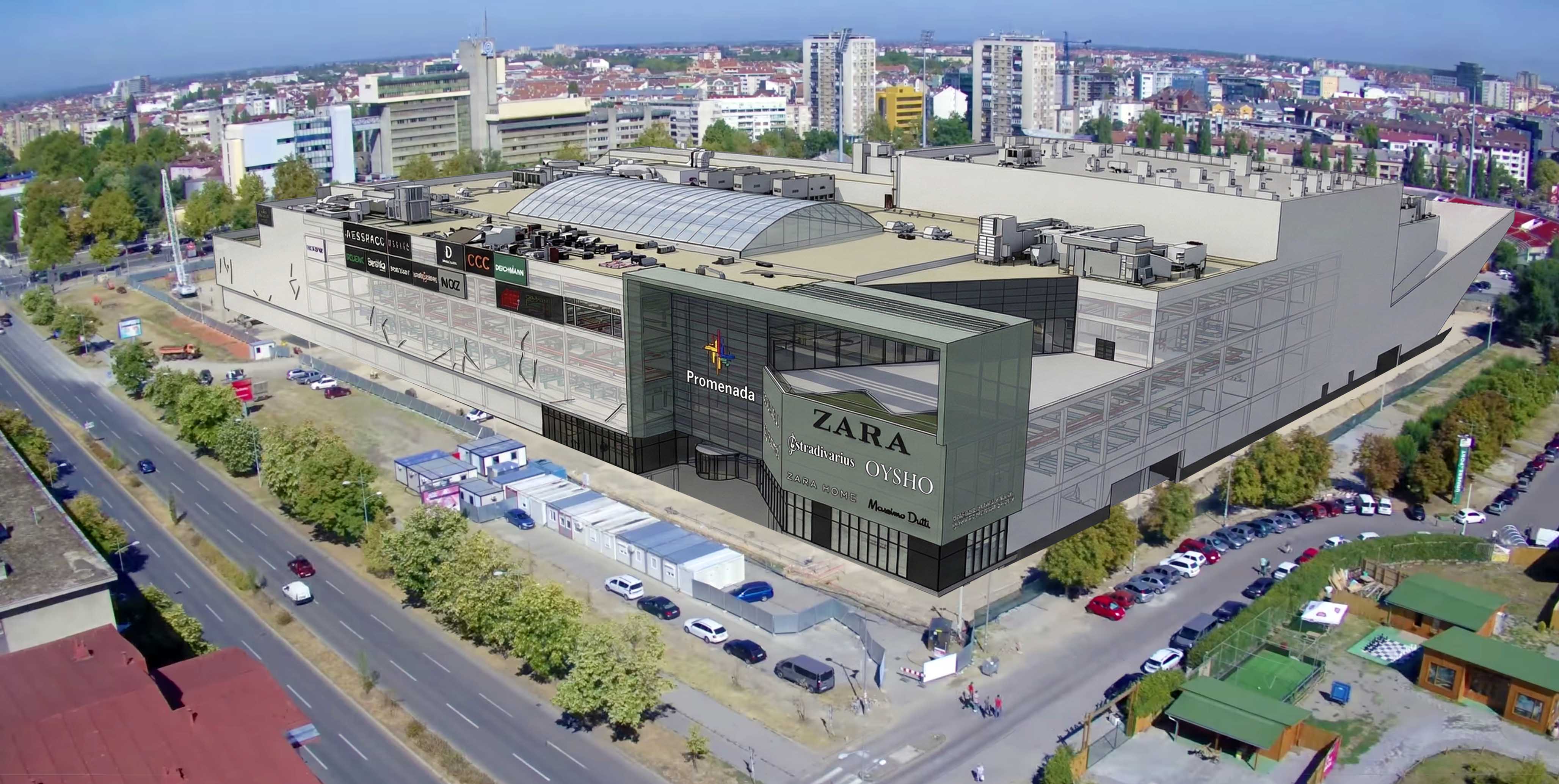
The construction industry is undergoing a digital transformation, and Building Information Modeling (BIM) 3D sits at the core of this evolution. BIM is no longer just a design tool—it has become a powerful operational asset that enables stakeholders to visualize, monitor, and optimize construction projects in real time.
One of the most impactful advancements is the ability to overlay BIM 3D models onto real-world site images, creating a direct comparison between planned and actual progress. This approach bridges the gap between digital planning and on-site execution.
BIM 3D is a digital representation of a building’s physical and functional characteristics. Unlike traditional 2D drawings, BIM integrates:
This results in a centralized, intelligent model that can be used throughout the entire lifecycle of a project—from design to construction and facility management.
Despite having detailed BIM models, many projects still struggle with:
Typically, site monitoring relies on photos, reports, and occasional inspections. These methods are fragmented and often fail to provide a clear, unified picture.
By aligning the BIM 3D model with images captured from site cameras or drones, users can:
The BIM model can be split into layers such as:
Users can toggle these layers on/off to isolate specific aspects of the project.
BIM 3D is no longer just about design—it is about control, visibility, and intelligence. By overlaying BIM models onto real construction images, companies gain a powerful tool to monitor progress, reduce risks, and improve collaboration.
In an industry where delays and miscommunication are costly, this technology offers a clear advantage:
seeing the project exactly as it should be—and as it truly is.