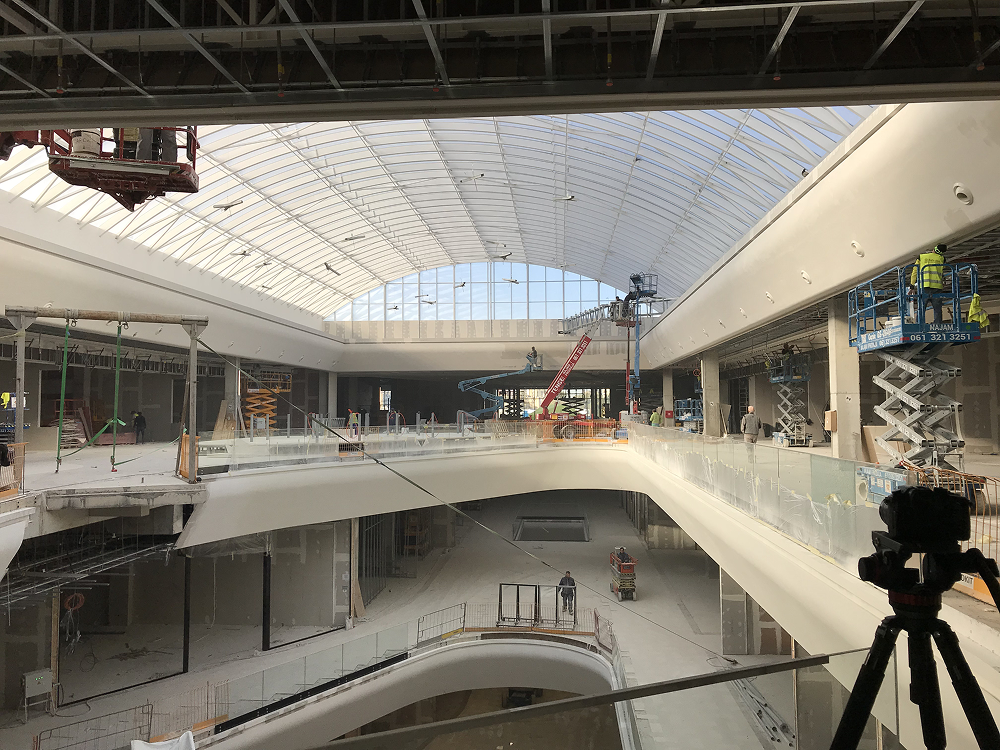
In modern construction, documentation is no longer optional — it is essential. Every stage of a project generates valuable visual data: drone flights, fixed camera images, site inspections, progress videos, and on-demand captures from teams on the ground.
Yet, for many developers and contractors, this data remains fragmented — stored across devices, emails, hard drives, or messaging apps.
The real value emerges when all this photo and video documentation is imported into a centralized platform and transformed into a structured, searchable, and intelligent visual record of the project.
Construction sites evolve rapidly. What is visible today may be covered tomorrow. Without proper documentation, critical details are lost forever.
By systematically importing media captured during construction into a unified system, teams gain:
Instead of relying on memory or scattered files, stakeholders can visually navigate the project’s evolution with precision.
One of the biggest challenges in construction documentation is lack of organization.
Photos taken by drones, site teams, or monitoring cameras often end up:
A centralized platform solves this by automatically organizing all media by:
This transforms chaotic data into a clean, navigable system — accessible anytime, from anywhere.
When documentation is properly imported and structured, it becomes more than just a record — it becomes a decision-making tool.
Project managers can:
Developers and investors gain transparency, while contractors reduce disputes and miscommunication.
In construction, documentation often plays a critical legal and operational role.
A well-organized visual archive can:
Having every image and video properly stored and timestamped creates a reliable source of truth.
Beyond operational value, construction media is also a powerful marketing asset.
By importing and managing all photo and video content in one place, teams can easily:
What starts as technical documentation becomes compelling storytelling.
The true potential of construction documentation is unlocked when it integrates with advanced technologies.
By combining imported media with tools such as:
teams can visualize not only what has been built, but also how it aligns with the original design.
This creates a new level of clarity — bridging the gap between planning and execution.
As projects become more complex and stakeholders demand greater transparency, the way we handle construction documentation must evolve.
Importing and structuring photo and video data is no longer just a technical step — it is a strategic move.
It enables:
Construction generates massive amounts of visual data every day. The difference between chaos and clarity lies in how that data is managed.
By importing all site media into a centralized platform, you don’t just document your project — you unlock its full potential.
Because in construction, what you can see — you can control.